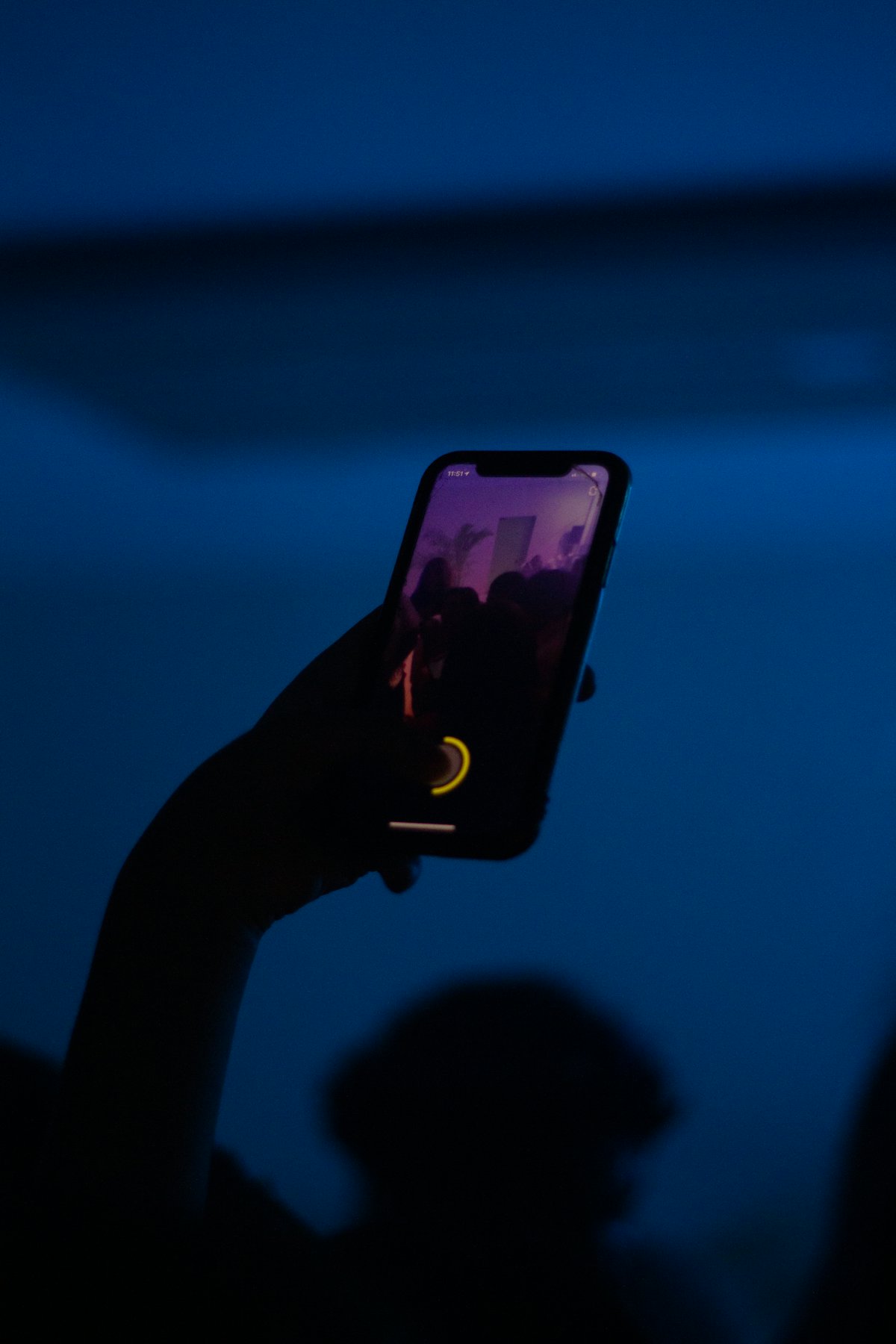
Second-Screen Nation: Reaching Audiences Who Watch Everything With a Phone in Hand
World Cup audiences watch the match on one screen and live on another. That split-attention behaviour is now how people consume everything — and most marketing still pretends it isn't happening.
By Robin Deane — Founder & Marketing Strategist, RD
Second-screen behaviour — consuming a primary event while simultaneously scrolling, messaging, and searching on a phone — is now the default attention mode, not a football-night exception. Marketing built for undivided attention underperforms in it. The adjustment: design for glanceable comprehension, show up in the second-screen surfaces (search, social, group chats) at the moments the first screen creates, and treat the two screens as one journey rather than competing channels. Attention does not split evenly between the two; it oscillates, with the phone typically winning during any lull in the primary activity — a stoppage, a slow scene, a pause between songs. That oscillation creates predictable moments where a spike of searches or messages follows directly from what the first screen just showed, so the highest-leverage work isn't a separate campaign — it's owning the answer to the question the moment just created, whether a search result, a shareable stat card, or a group-chat-ready clip, delivered fast enough to catch the window before attention moves on.
Watch anyone watching the World Cup. The match is on the television; the phone is in the hand. Group chats erupt at every near-miss, half the room checks a stat mid-move, clips of the goal circulate before the replay finishes, and somewhere between all of it, people are scrolling entirely unrelated feeds while ninety minutes of football happens in their peripheral vision.
Marketers tend to file this under "big event behaviour". It is not. The tournament just makes visible what is now the ordinary condition of your audience: nobody is only doing one thing. They watch television series with the phone out, sit in webinars answering email, listen to podcasts while shopping. The undivided attention that most campaign thinking quietly assumes — the viewer who watches your ad, absorbs your message, and recalls it later — is close to extinct. This piece is about what to do instead.
What Is Second-Screen Behaviour, Really?
Definition: Second-screen behaviour is the simultaneous use of a phone or tablet alongside a primary activity — most visibly live television, but equally streaming, work, and in-person events. Attention does not split evenly between screens; it oscillates, with the phone typically winning the contest during any lull in the primary activity.
The critical detail is that oscillation pattern. Attention is not 50/50 across the screens — it swings, and the swings are triggered by the first screen. A goal sends people to their group chat and social feeds. A half-time whistle produces a fifteen-minute phone dive. A boring passage of play surrenders attention to the feed entirely. The first screen sets the rhythm; the second screen receives the attention.
That has an important implication most media plans miss: the second screen during an event is not a separate audience to buy — it is the same audience at predictable moments of migration. The skill is knowing when the migrations happen and being present on the receiving surface when they do.
Where Does Second-Screen Attention Actually Go?
When attention swings to the phone, it lands in a small number of places, each with a different marketing implication:
WhatsApp and iMessage threads absorb more event attention than any public platform, and marketing cannot buy its way in. The only entry route is content people choose to forward: genuinely funny, genuinely useful, or genuinely remarkable assets that travel as messages. Design shareable units — a stat card, a one-line take, a clip — not campaigns, and accept that attribution here appears as "dark social" direct traffic.
First-screen moments generate instant second-screen questions: who is that player, what does that rule mean, where is that stadium. For brands, the equivalent happens around every product mention, TV feature, or industry moment — a spike of searches within minutes. Owning the answers (and being the source AI assistants cite when people ask conversationally) is the compounding play; our SEO/GEO/AEO service covers this surface.
The public conversation layer, where speed and take-quality decide reach — the territory covered in our real-time campaigns piece. Note that feeds during events are also full of people escaping the event; counter-programming for the uninterested is a legitimate and under-used angle.
Apps and sites that serve the event directly. The generalisable version: whatever your audience's "primary activity" is professionally, there are utility surfaces they flick to constantly — dashboards, communities, newsletters, tools. Sponsoring or genuinely contributing to those surfaces buys presence in the oscillation loop itself.
How Should Split Attention Change What You Make?
Most marketing assets are still built on a silent assumption of full attention: the sixty-second brand film, the dense whitepaper, the webinar that gets good "attendance" and no memory. Under oscillating attention, different design rules apply.
Build for the glance first. Assume three seconds of partial attention as the default allocation. The asset must communicate something complete in that window — a legible claim, a striking image, a number that means something — with depth available behind the glance for the minority who stay. This is not dumbing down; it is layering. A well-built piece works at three seconds, thirty seconds, and three minutes.
Make sound optional and text load-bearing. Second-screen viewing is overwhelmingly muted. Captions, on-screen copy, and visual storytelling are not accessibility extras; they are the primary channel.
Design units that survive forwarding. Anything that needs surrounding context dies in a group chat. Self-contained assets — where the brand, the point, and the payoff are all inside the frame — travel; assets that depend on a caption, a landing page, or prior familiarity do not.
Repeat without shame. Oscillating attention means any single exposure probably landed in a gap. Frequency across surfaces — the same idea encountered in the feed, in search, in a newsletter — does the work that one perfectly absorbed exposure used to do. Distinctive brand assets (colour, voice, mark) matter more here, because recognition must survive fragmentary exposure. This is where a coherent brand system quietly pays its rent.
How Do You Plan Media for Two Screens at Once?
The tactical shift is from buying channels to choreographing moments. A simple planning sequence:
- Map your audience's first-screen calendar. For consumer brands during the tournament, that is literal fixtures. For B2B, the "first screens" are industry events, earnings seasons, product launch cycles, Monday-morning planning — the primary activities that set attention rhythms.
- Predict the migration moments. Half-times, endings, lulls, and climaxes each push attention to the phone with a different mood attached: celebration, boredom, curiosity, anxiety. Match the message to the mood, not just the moment.
- Assign a surface to each moment. Search answers for curiosity spikes; shareable units for celebration moments; feed presence for lulls; retargeting and email for the day after.
- Connect the screens instead of competing with them. The worst second-screen strategy is demanding full attention against the event — interruptive formats fighting the match always lose. The best strategies ride along: content that enhances the primary activity or fills its gaps.
- Automate the choreography. The monitoring, timing, and asset-swapping this requires across a six-week event — or a year of B2B moments — is beyond manual operation but well inside what an agentic AI workflow handles: watching the calendar and the conversation, publishing pre-approved assets into the right windows, and escalating the judgement calls. It is the same reaction infrastructure from our real-time piece, pointed at predictable moments instead of surprises.
What Does Measurement Look Like When Attention Oscillates?
Split attention breaks the measurement assumptions single-channel metrics rely on. Three adjustments matter:
- Expect displaced response. People see on one screen and act on another, later. The signature of second-screen impact is branded search, direct traffic, and dark-social arrivals correlating with your first-screen moments — not clicks on the asset itself. Measure the correlation against the event timeline, the same method used in modern sponsorship measurement.
- Judge video on completion and caption performance, not impressions. An impression against oscillating attention is a lottery ticket, not a delivery.
- Instrument the day-after window. A large share of second-screen-influenced action happens the next morning — the calm-attention moment when the phone dive becomes a considered visit. Retargeting pools and email built from event-window engagement should be evaluated on that lag, and our analytics service builds the attribution to see it.
The tournament ends in July; the behaviour does not end at all. Second-screen is simply what attention looks like now — at every scale from a World Cup final to a Tuesday webinar. The brands that accept the oscillation and design for it will quietly out-communicate the ones still producing for a viewer who no longer exists: the one who was only watching.
- Second-screen behaviour is the default attention mode now, not an event-night exception — the undivided viewer is nearly extinct
- Attention oscillates between screens on triggers set by the primary activity; the migrations are predictable and plannable
- Group chats absorb the most event attention and cannot be bought — only entered via assets worth forwarding
- First-screen moments create instant search spikes; owning those answers (including AI-engine citations) is the compounding play
- Build for the glance: three-second comprehension, muted-by-default, self-contained units that survive forwarding
- Plan by choreographing moments and moods across surfaces, not by buying channels in isolation
- Measure displaced response — branded search and next-morning traffic correlated to event moments — not clicks on the asset
Frequently Asked Questions
What is second-screen marketing?
Second-screen marketing is the practice of reaching audiences on their phone or tablet while their primary attention is nominally on another activity — live sport, streaming, events, or work. Rather than competing with the primary screen for full attention, it positions content in the surfaces attention migrates to (search, social feeds, group chats, utility apps) at the predictable moments the primary activity releases it: half-times, lulls, endings, and high points.
Does second-screen behaviour only matter during big events like the World Cup?
No — big events just make it visible. The same oscillating attention operates during ordinary television, streaming, podcasts, webinars, and the workday itself. Any marketing plan that assumes a fully attentive viewer, reader, or attendee is planning for a shrinking minority. The World Cup is useful as a design exercise because the attention rhythms are so legible; the resulting principles — glanceable assets, moment choreography, displaced measurement — apply year-round.
How do you reach people in private group chats?
You cannot buy entry; you can only earn forwarding. The assets that travel through WhatsApp and iMessage are self-contained (brand, point, and payoff inside the frame), emotionally charged (funny, surprising, or genuinely useful), and light enough to send without explanation — stat cards, sharp one-liners, short clips, calculators, and checklists. The measurable signature of success is "dark social": direct traffic and branded search rising without a corresponding attributable channel.
What formats work best for split attention?
Formats that layer: complete at a glance, rewarding at depth. Practically, that means captioned short video that works muted, single-image assets with one legible claim, text posts front-loaded so the first line stands alone, and long-form content structured with summaries and scannable headings so partial attention still extracts value. The common failure mode is the middle format — sixty-second sound-dependent video, dense unscannable posts — which demands more than a glance and rewards less than a read.
How does second-screen behaviour affect B2B marketing?
Directly — the behaviour is the same, only the "first screens" differ. B2B audiences second-screen through webinars, conferences, and their own workday; their attention migrates in the gaps between meetings and during industry moments (launches, earnings, sector news). The B2B translation: own the search and AI-assistant answers for the questions your industry's moments generate, build forwardable assets for the Slack channels and group chats where buying conversations actually start, and measure the day-after lag rather than live response.
Should brands advertise during the event or around it?
Around it, for most budgets. Advertising during the event buys presence against attention at its most contested and expensive; the moments just before (anticipation), during breaks (the phone dive), and the morning after (calm consideration) offer the same audience at lower cost with more available attention. The exception is brands with assets genuinely designed for the in-event conversation — reactive content good enough to be part of the second-screen experience rather than an interruption to it.
Keep Reading

Want this handled properly?
If this is the kind of problem you're wrestling with, a short conversation is usually enough to tell whether there's a real opportunity here.